

The Power of Sisterhood: Bella and Juliette Whittaker Navigate Elite Track Together

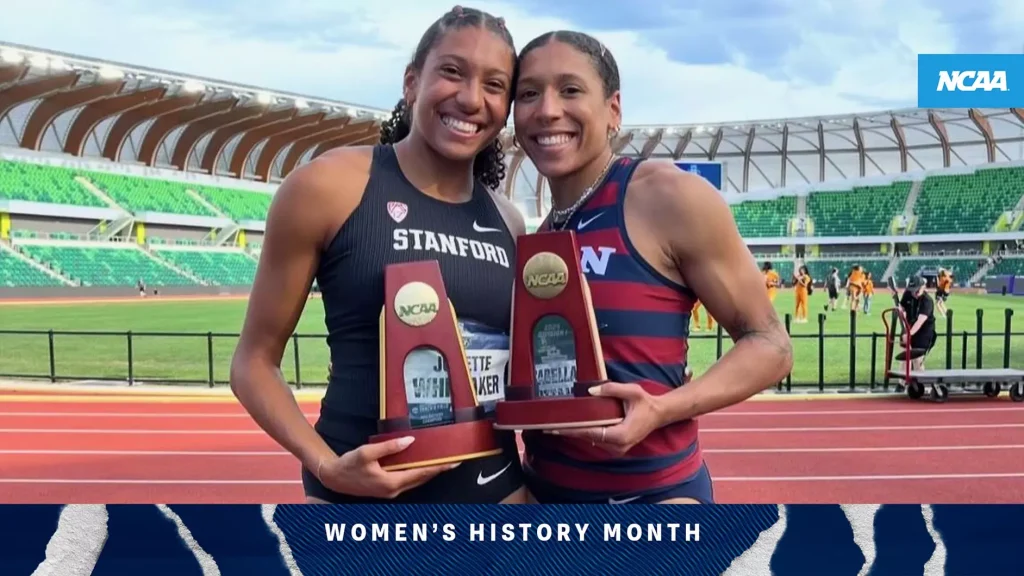
For Bella and Juliette Whittaker, the journey through the world of elite track and field is a shared experience. Known to many as the Whittasisters, these two siblings have transitioned from standout student-athlete roles to competing on the global stage at the Olympic Games. Their story is one of mutual support, high level competition, and a bond that provides comfort during the most stressful moments of their careers.
One of the most defining moments of their shared journey occurred in the Olympic Village. Bella, preparing for a relay competition, received news that she would serve as an alternate rather than a primary runner for the squad. In a moment of intense heartbreak, it was her younger sister, Juliette, who stepped in to provide immediate emotional support. Juliette accompanied her sister to the stadium, staying by her side as they watched the team warm up. By the end of the day, their constant conversation and shared humor helped Bella process the disappointment and find her smile again.
A Legacy of Excellence and Athletic Roots
The Whittaker sisters seem destined for the track. Their parents were both collegiate runners, with their mother competing in hurdles and their father in the 800 meters. This athletic tradition extends to their brothers as well, creating a family environment where high performance is a standard. Despite their shared environment, the sisters have found their own niches. Bella specializes in sprints, while Juliette focuses on middle distance events. This distinction allows them to push one another without ever being direct competitors on the track.
The sisters view each other as mirrors of confidence. While they admit that self doubt can creep in even at their level of success, seeing the other person achieve helps to reinforce their own belief in their abilities. Juliette notes that watching Bella at the Olympic trials fired her up and encouraged her to push her own limits. This healthy competition has led to significant milestones for both women.
The Role of the Student-Athlete Experience
Both Bella and Juliette credit their time as a collegiate student-athlete as the primary factor in their professional success. Bella, who competed at the University of Pennsylvania before continuing her career at Arkansas, and Juliette, a standout at Stanford, have both dominated the collegiate ranks. Bella recently set an indoor record in the 400 meters and was recognized as a national athlete of the year. Juliette is a multi time national champion and an eight time All-American.
Juliette emphasizes that the level of competition in college is so intense that it makes international trials feel less stressful. The experience of competing at national championships provided the necessary foundation for them to walk into the Olympic Village with confidence. Beyond the track, both sisters have excelled academically, earning recognition on Academic All-America teams. Bella was also recognized for her leadership and community involvement as a finalist for the Woman of the Year award.
Building a Village of Support
As they navigate the complexities of fame and elite performance, the sisters have learned different lessons from one another. Bella admires the way Juliette crafts and maintains deep, meaningful friendships, noting that her sister embodies the idea that success takes a whole village. Conversely, Juliette looks to Bella as an example of how to be a multi-faceted student-athlete and a leader in the community.
The relationship between the Whittasisters serves as a reminder of the importance of social support in the life of a high level student-athlete. Whether they are sharing a room in the Olympic Village or cheering from the stands during a college meet, their sisterhood remains their most valuable asset. For these two champions, the medals and records are significant, but the ability to experience the journey together is what makes the effort worthwhile.
Responses