

The Digital Audition: Master the Pre-Recorded Interview in 2026

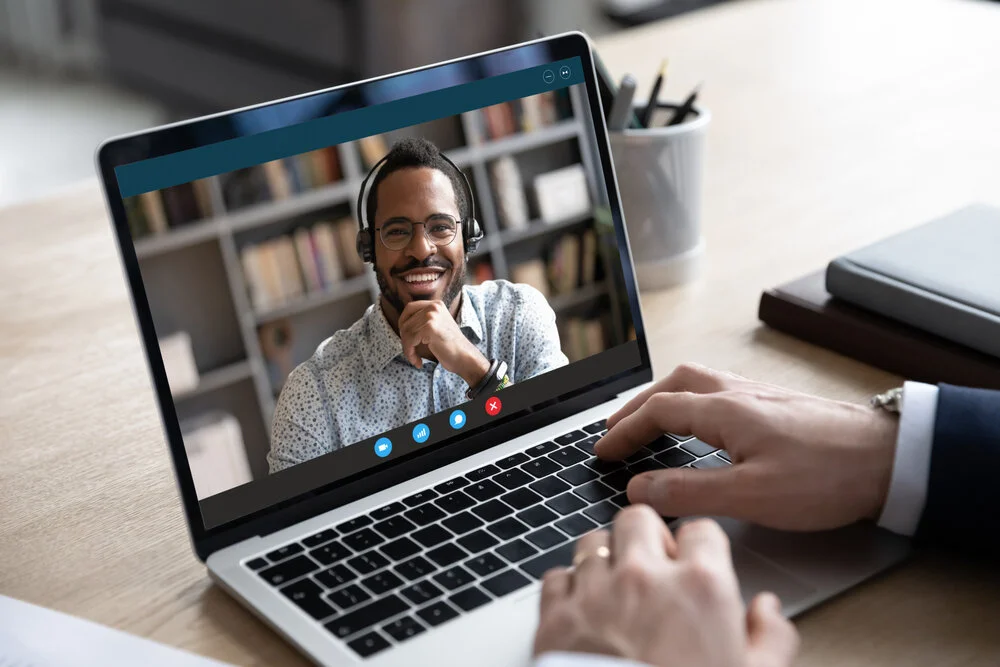
In the 2026 recruitment landscape, the “First Round” has officially moved to the screen. Pre-recorded interviews (also known as Asynchronous or One-Way interviews) have become the default screening tool for 70% of entry-level corporate roles. For student-athletes, this format is a significant home-field advantage: it allows you to control the environment and time, fitting professional development into a 20-hour-a-week practice schedule.
Rather than being “put on the spot,” you are now the director of your own professional debut.
The 2026 Employer Perspective: Why They Use It
Employers aren’t just saving time; they are using data-driven tools to ensure a fair “scouting” process.
- Bias Neutralization: By using standardized questions and scoring rubrics (scorecards), hiring teams ensure every candidate is measured against the same “game plan,” reducing the “gut feeling” bias that often plagues traditional interviews.
- Consensus-Based Hiring: Multiple stakeholders (e.g., a Team Lead in New York and a VP in London) can review your responses independently, leading to a more objective and collaborative hiring decision.
- Cultural & Role Alignment: Recruiters use these videos to assess Soft Skill Fluency—observing how you communicate complex ideas and your “Executive Presence”—long before they look at your technical credentials.
The Candidate’s Playbook: Strategic Advantages
For the student-athlete, the pre-recorded format provides a “practice round” environment that traditional interviews lack.
| Feature | Strategic Advantage | Athlete Application |
| Time-Shifted Flexibility | Record at 10 PM after practice or 6 AM before weights. | Eliminates the stress of missing class or training for a “Live” call. |
| The “Re-Do” Option | Many 2026 platforms allow 2-3 attempts per question. | Allows you to “shake off” a bad start and deliver a peak performance. |
| Environmental Control | You choose the lighting, background, and “jersey” (attire). | You can set up in a quiet study hall with your awards or diploma in view. |
| Thoughtful Reflection | Usually 30–60 seconds of “Prep Time” before the camera starts. | Gives you time to map your athletic experience to the STAR method. |
Technical Preparation: Setting the Stage
In 2026, Technical Reliability is considered a soft skill. A glitchy video signals a lack of preparation.
- The “Locker Room” Backdrop: Use a clean, neutral wall. Ensure you are well-lit from the front (avoid “witness protection” backlighting).
- Audio Integrity: Use a dedicated microphone or high-quality earbuds. Background noise (wind, roommates, or gym music) is a major “distractor” for reviewers.
- The “Digital Handshake”: Look directly into the camera lens, not at your own image on the screen. This simulates eye contact and builds immediate trust with the reviewer.
Mastery of the STAR Method: The Athlete’s Edge
Recruiters in 2026 value Situation-Based Stories. Use this framework to translate your athletic grit into corporate value:
- S (Situation): “During the 2025 conference semi-finals, we were down 10 points with two minutes left.”
- T (Task): “As captain, my task was to regroup the defense and manage our final timeouts.”
- A (Action): “I called a huddle, implemented a full-court press, and communicated the secondary rotation plan.”
- R (Result): “We forced three turnovers, won by 2, and I carried that ‘Resilience Mindset’ into my 4.0 GPA semester.”
Your Professional Highlight Reel
Pre-recorded interviews are the 2026 version of “watching film”—a chance to analyze the requirements, prepare your best response, and execute with precision. By treating this format as a strategic opportunity rather than a hurdle, you are proving to employers that you have the Digital Maturity and Operational Poise to join their “Starting Lineup.”
Responses