

The Ethical Imperative of Bystander Intervention: Fostering a Proactive Social Climate

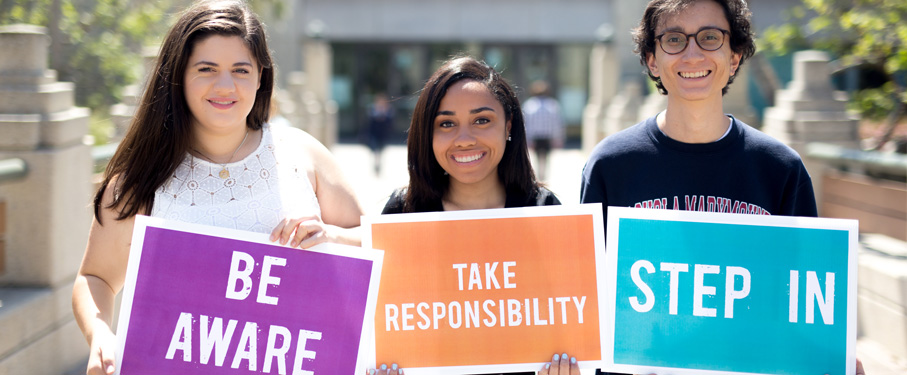
For the student athlete, who exists within a highly cohesive and visible team structure, adopting the practice of bystander intervention is not merely a social courtesy but an ethical imperative central to maintaining a healthy, safe, and accountable team environment. Bystander intervention refers to the act of safely and effectively interrupting a potentially harmful situation, ranging from physical harassment and excessive substance use to microaggressions and academic cheating.
The primary hurdle to intervention is the bystander effect, a social psychological phenomenon where individuals are less likely to offer help to a victim when other people are present. In a close knit team environment, this is often compounded by the fear of social retribution, being labeled a “snitch,” or disrupting the fragile hierarchy of team authority. However, an environment where peers routinely fail to intervene is one that systematically harbors unsafe behavior.
Fostering a culture of proactive intervention requires shifting the team’s social contract from one of passive complicity to one of active, shared responsibility.
The effective practice of bystander intervention relies on understanding the Five D’s of Intervention:
- Direct: Step in and address the situation head on, if safe to do so. (e.g., “Hey, that joke isn’t funny, stop.”)
- Distract: Create a diversion to interrupt the situation without direct confrontation. (e.g., “I forgot my phone, can you help me look for it?” or “Let’s leave now, I’m late.”)
- Delegate: Find someone in a position of authority—a coach, resident advisor, or campus security—and clearly state the problem. This is essential when the situation is physically dangerous.
- Document: Record the incident discreetly, if safe, to provide evidence for later delegation.
- Delay: Check in with the victim after the event is over to offer support and resources. This validates their experience and helps ensure they are not alone.
Crucially, implementing bystander intervention as a core team value requires the explicit support of coaches and leadership. When team captains or veteran athletes are visibly and consistently trained in these techniques and empowered to use them without fear of consequence, the rest of the team will follow. This moves the focus away from individual blame and toward collective responsibility for the safety and integrity of the team’s social climate.
By making intervention a standard expectation rather than a heroic exception, student athletes create a community where misconduct is less likely to occur, ultimately protecting the reputation and well being of all members.