

The Graduate School Calculus: When is a Fifth Year or Advanced Degree a Strategic Career Move?

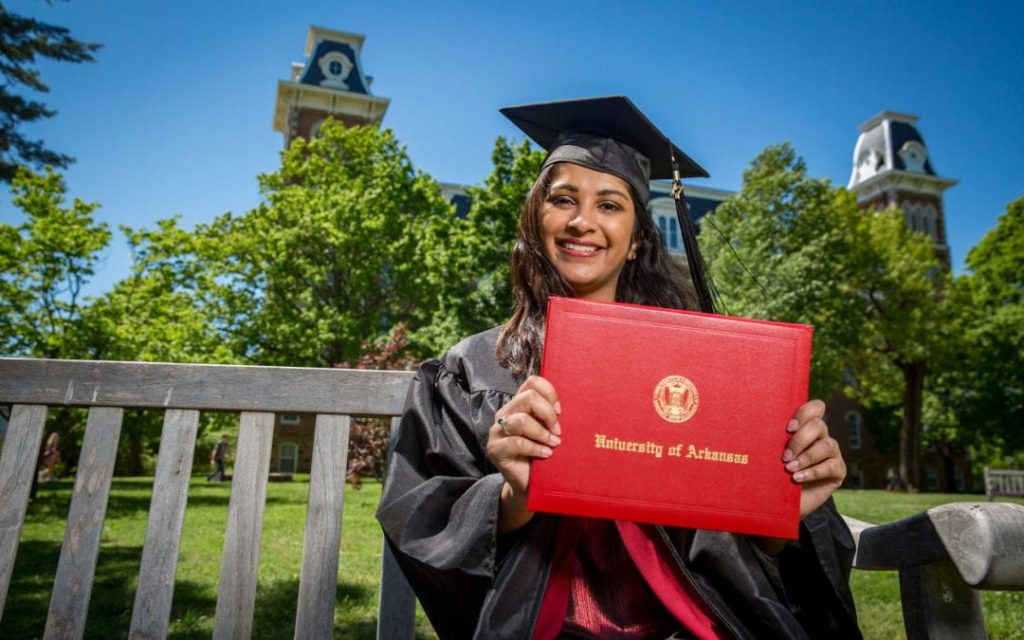
For the student-athlete, the decision to pursue a fifth year of eligibility, enter the transfer portal for a graduate program, or immediately begin a master’s degree is complex. It involves not just athletic goals but a careful career and economic calculus. The “extra year” is a potential strategic asset, offering the chance to specialize academically, increase professional network depth, and raise athletic profile before entering the job market. This article explores the strategic factors a student-athlete must consider when determining if a post-graduate education is a valuable investment in their long term career success.
The fundamental calculation involves assessing the return on investment (ROI) of time. The student-athlete must weigh the cost of deferring an entry level salary against the enhanced career opportunities that an advanced degree, a better network, or a higher athletic profile might provide.
One strategic advantage of the fifth year or transfer graduate year is the opportunity for academic specialization. Many student-athletes spend their initial undergraduate years in high enrollment, less specialized majors to manage course load alongside training demands. A master’s degree or graduate certificate allows the student-athlete to pursue a technical or highly specialized field—like data science, finance, or a unique media concentration—which can immediately increase their post graduation earning potential and competitive advantage. The focus shifts from merely achieving eligibility to targeted career preparation.
Another key factor is athletic market optimization. For student-athletes whose professional sport chances are borderline, a fifth year can be essential. Playing one more year, especially in a graduate transfer role at a higher profile program, offers another season of film for scouts, a final opportunity for an athletic skill to mature, and increased exposure to agents. This is a high stakes decision that must be made in close consultation with coaches and professional advisors.
From a networking perspective, an additional year provides significant benefits. Graduate programs often have smaller cohorts and stronger connections to industry leaders, providing a concentrated opportunity for networking. Furthermore, joining a different program via the transfer portal immediately expands the student-athlete’s network to a second institution’s alumni base, effectively doubling their professional reach.
However, the student-athlete must be mindful of the economic reality. They need a clear understanding of the full cost of the graduate program and the opportunity cost of delaying income. The student-athlete must select programs that are clearly tied to their career path and offer high job placement rates, ensuring the degree is an asset, not a temporary delay. The decision to pursue an advanced degree should be a calculated strategic move, leveraging the available time and financial aid to maximize long term professional leverage.
Responses