

The Identity Pivot: Managing Well-Being During the Post-Sport Transition

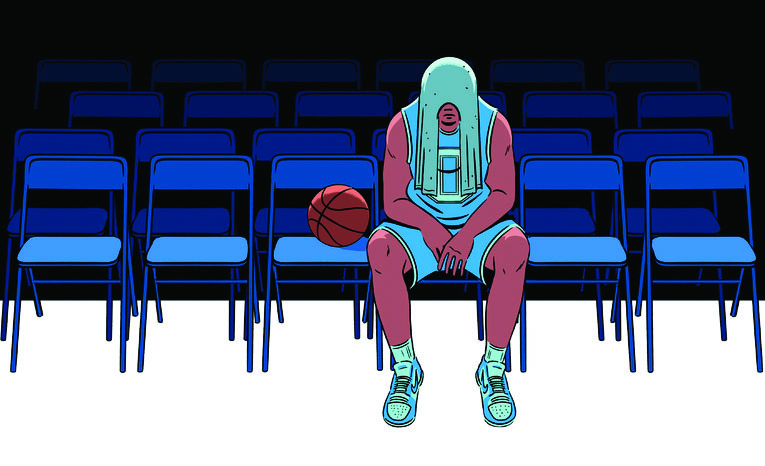
For many, the end of a competitive athletic career is not just a change in schedule; it is a profound shift in identity. In 2026, research into the “socialization out of sport” reveals that roughly 78% of former Student-Athletes experience some form of identity crisis following their final game. When your primary sense of self-worth has been tied to physical performance and team affiliation for over a decade, stepping into a traditional corporate environment can feel like losing a piece of yourself.
Recognizing this, modern support systems like BluChip are integrating mental health resources directly into career coaching. This holistic approach ensures that the “software update” to a Student-Athlete’s life includes emotional resilience alongside professional preparation.
The Psychological Impact of Retirement from Sport
The transition away from sports is a significant life event that can trigger a range of emotional responses. According to 2026 data, 51% of athletes who suffer a career-ending injury develop symptoms of clinical depression within six months, while even those who graduate naturally often report a deep sense of loss.
Common psychological challenges include:
- Identity Foreclosure: The feeling of being “stuck” in an athlete-only identity, making it difficult to introduce yourself or find motivation for new career pursuits.
- Loss of the “Locker Room” Community: Sports provide an immediate, high-trust social network. Losing this can lead to feelings of isolation and chronic loneliness.
- Performance Anxiety Transfer: The pressure to succeed that was once felt on the field often transfers to the workplace, sometimes manifesting as imposter syndrome or perfectionism.
Integrating Mental Wellness into Career Coaching
The most effective career strategies in 2026 are those that treat the athlete as a whole person. Career coaching now includes specific wellness modules designed to help the Student-Athlete navigate these emotional hurdles:
- Cognitive Reframing: Coaches help athletes re-categorize their traits. For instance, “mental toughness” on the field is reframed as “emotional intelligence” and “stress management” in the boardroom.
- Self-Compassion Training: Moving away from the “tough it out” culture, athletes are taught to replace self-criticism with curiosity, a skill that is vital for long-term career resilience.
- Purpose-Driven Planning: Studies show that having a concrete “Next Play” reduces transition anxiety by 48%. Coaching focuses on finding new sources of meaning that align with the athlete’s core values.
The Power of Peer Support Networks
Data from 2025 and 2026 confirms that peer support is often more effective than traditional family support for former athletes. Being part of a community of individuals who “speak the same language” of high performance and sacrifice provides a unique form of social validation.
| Support Type | Key Benefit | Impact on Well-Being |
| Peer Mentorship | High relatability and shared experience. | Reduces isolation; boosts confidence. |
| Clinical Counseling | Specialized trauma and identity support. | Addresses deep-seated anxiety/depression. |
| Career Coaching | Strategic skill translation and networking. | Provides a clear roadmap for the future. |
Professional Well-Being as a Long-Term Asset
In the 2026 economy, employers are increasingly prioritizing candidates with high levels of self-awareness and emotional resilience. A Student-Athlete who has proactively managed their transition and addressed their mental well-being is often seen as a more stable, mature, and effective leader.
By accessing these resources, you are not just preparing for a job; you are ensuring that your life after sports is defined by the same excellence and fulfillment that characterized your time in uniform.
Responses