

Women’s Sports Reach Record Participation and Leadership Milestones

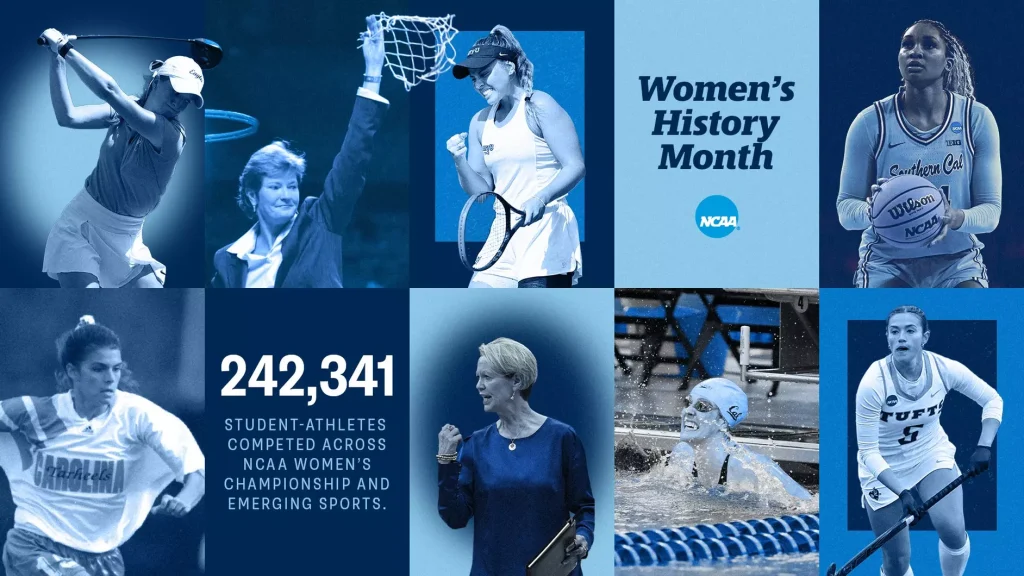
The landscape of collegiate athletics is undergoing a historic transformation as women’s sports achieve unprecedented levels of participation and representation. Current data reveals that momentum is surging not only on the field but also within the executive offices of athletic departments and university administrations. This growth signals a profound shift in the collegiate experience, providing more pathways than ever for the female Student-Athlete to excel.
During the most recent academic cycle, a record 242,341 Student-Athletes competed in NCAA women’s championship and emerging sports. This represents a substantial 14 percent increase over the past decade, with growth occurring across all three divisions. As participation numbers climb, so does the presence of women in decision making roles, ensuring that the future of college sports is shaped by those who have lived the experience.
Record-Breaking Participation by the Numbers
The increase in participation is a testament to the continued investment in women’s collegiate athletics. The data shows a widespread commitment to expanding opportunities:
- Division I: 94,935 Student-Athletes, reflecting a 14 percent rise over ten years.
- Division II: 59,999 Student-Athletes, a 21 percent increase over ten years.
- Division III: 87,407 Student-Athletes, up 11 percent over ten years.
While traditional anchors like outdoor track and field, soccer, and softball remain the most played sports, the fastest growth is found in the Emerging Sports for Women program. Stunt has seen a massive 75 percent increase in participation year over year, while women’s wrestling surged 42 percent. These sports are providing vital new avenues for athletic and academic integration.
A Landmark Year for National Championships
The expansion of participation is now being matched by a historic increase in championship opportunities. In a landmark move, NCAA members recently approved the addition of four new women’s championships, marking the first time such a high volume of sports was added in a single cycle.
- Acrobatics and Tumbling: Inaugural championship scheduled for spring 2027.
- Stunt: Inaugural championship scheduled for spring 2027.
- Division II Bowling: Inaugural championship scheduled for spring 2028.
- Division III Women’s Wrestling: Inaugural championship scheduled for spring 2028.
Additionally, women’s flag football has officially joined the Emerging Sports for Women program, creating a formal runway for the sport to grow toward championship status. These developments ensure that the Student-Athlete has clear, high stakes goals to strive for, which translates into the discipline and resilience required for future career pursuits.
Breaking the Glass Ceiling: Leadership on the Rise
The momentum in women’s sports extends far beyond the final whistle. The representation of women in key leadership positions is trending upward at a rate that suggests a long term shift in the culture of athletic administration.
| Position | Current Count | 10-Year Growth |
| Athletics Directors | 279 | Up 24% |
| Head Coaches | 5,126 | Up 13% |
| College Presidents | 378 | Up 27% (since 2017) |
Division I has seen the most dramatic shift in executive leadership, with an 82 percent increase in female athletics directors over the last decade. This surge in leadership provides a powerful network of mentors for current Student-Athletes, demonstrating that the skills learned on the field—teamwork, strategic thinking, and leadership—are directly applicable to the highest levels of professional success.
The Holistic Impact
The rise of women’s sports is about more than just numbers; it is about the empowerment of a new generation of leaders. The modern female Student-Athlete is proving she can balance a rigorous academic major with the demands of an elite athletic program. As the NCAA championship landscape expands and leadership roles become more accessible, the value of the collegiate athletic experience continues to grow.
This era of record participation ensures that more women will enter the professional workforce with the proven resilience and competitive edge that defines the Student-Athlete.
Responses