

The Rising Influence of AANHPI Leaders in Collegiate Athletics

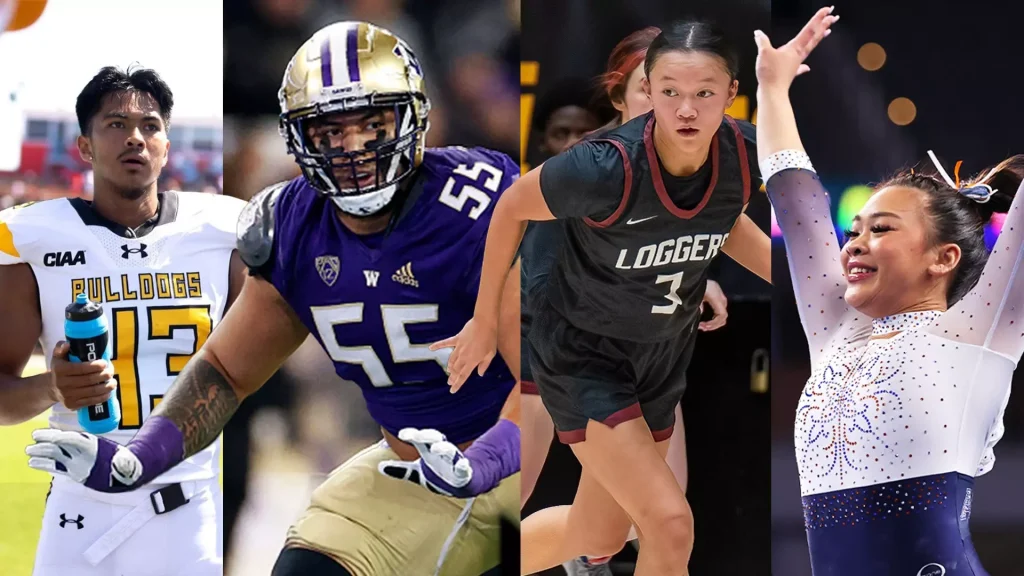
May serves as a time of celebration and reflection as the sports community recognizes Asian American, Native Hawaiian, and Pacific Islander Heritage Month. Recent data indicates a decade of record growth for the AANHPI community within the NCAA, with participation numbers rising by nearly fifty percent since 2015. This growth is not merely about the number of individuals on the field; it is about the increasing impact of AANHPI leaders in coaching and administrative roles. For the modern Student-Athlete, seeing this representation at the highest levels of leadership is a vital component of fostering a sense of belonging and professional aspiration.
The statistical surge in AANHPI participation is visible across a wide array of sports, with football and soccer leading in total numbers, while sports like fencing and gymnastics show the highest percentage of representation. This diversity of involvement reflects a cultural shift where the dreams of collegiate competition are being realized by an increasingly broad demographic. For many students, being part of this growing community provides a unique social support network and a shared sense of identity that can be incredibly empowering. These connections help to ground the athlete and provide a sense of purpose that extends beyond their individual performance.
Leadership representation has followed a similar upward trajectory, with a significant increase in the number of AANHPI head and assistant coaches over the last ten years. These leaders serve as essential mentors, providing the Student-Athlete with professional guidance that is rooted in a deep understanding of their cultural background. The presence of these role models helps to demystify the path to a career in sports administration or coaching, encouraging students to pursue leadership roles after their eligibility has ended. This mentorship is a critical part of the post collegiate transition, ensuring that the skills learned in sports are utilized to lead the next generation.
As the NCAA continues to celebrate these achievements, the focus remains on creating a truly inclusive environment where every individual has the opportunity to succeed. The celebration of heritage month is a reminder that the diversity of the Student-Athlete population is one of the greatest strengths of the collegiate model. By honoring the stories and the impact of AANHPI individuals, universities are reaffirming their commitment to a future where leadership reflects the diverse faces of the athletes they serve. It is a commitment to a better and more equitable future for all.
Responses